
"boutique Robusta"
3000 article(s) found

What's the difference between Robusta and Arabica | how much is Arabica coffee beans per jin?
Professional coffee knowledge exchange more coffee bean information Please pay attention to the coffee workshop (Wechat official account cafe_style) Coffee varieties can be divided into Arabica, Robusta and Liberica if they are biologically classified. The main varieties to drink in the world are Arabica and Robusta. Due to the low production of Rabrika or

A brief introduction to the flavor, taste and aroma characteristics of Ugandan boutique coffee beans with unique flavor
Uganda is the country of origin of coffee grown in Robusta, but commercial cultivation of Arabica species here did not begin until early 1900. Today, there are still a large number of wild robusta coffee trees in Uganda, which is rare in cities in the world. As a landlocked country, the large coffee cultivation in Uganda is often interplanted, where coffee trees are mixed with food crops and rubber trees.

The flavor and taste of Ugandan coffee beans the manor area introduces Ugandan boutique coffee.
Ugandan coffee beans have a unique flavor of delicate flavor, which is very suitable for making Italian and other flavors of coffee. More importantly, Ugandan coffee beans are strictly screened according to the standards of the international market to ensure their high quality and pollution-free characteristics. Africa is the hometown of the two major varieties of coffee, Arabica and Robusta, while the eastern African country enjoys the beauty of plateau water and the Pearl of East Africa.

Robusta Coffee Bean introduction the difference between Robusta and Arabica between Italian style and single product
Uganda, the birthplace of Robusta coffee. Just as Ethiopia is the native place of Arabica coffee, robusta coffee was first found in Uganda; it has low ripe fruit aroma, red wine flavor and thick mellow thickness. it is quite different from other East African countries in flavor characteristics, and some flavors.

Why is Arabica more advanced? Great declassification of coffee bean varieties in the world
Communication of professional baristas Please pay attention to the food that should be known in the coffee workshop (official Wechat account cafe_style) Arabica flavor and aroma are of good quality and are often used to make fine coffee, while Robusta is easy to grow and has the advantage of low price, mainly used to mix beans or as the main raw material of instant coffee. Author = Choi Rongxia (Coffee MBA of Korea's famous barista college

Carefully washed Royal Robusta Coffee beans
Arabica and Robusta are different varieties of coffee, but their fates are very different. Robasta is like a cheap Cinderella, while her sister Arabica is very expensive. In the dispute between the two beans, Americans and Italians have been against each other for decades. In fact, Americans are the initiators of Robasta beans becoming cheap beans. With the improvement of the quality of Robasta, after the millennium, excellent

A brief introduction to the cultivation of fresh-flavored Ugandan boutique coffee beans, geographical location, climate and altitude
Ugandan coffee is mainly exported to the European Union, of which Germany, Italy and other countries are the largest buyers of coffee. Uganda is the country of origin of coffee grown in Robusta, but commercial cultivation of Arabica species here did not begin until early 1900. Today, there are still a large number of wild robusta coffee trees in Uganda, which is rare in cities in the world. As a landlocked country, Uganda

What's the difference between iron pickup and Arabica? introduction to grinding scale by flavor description method
The introduction of boutique coffee beans has different flavor characteristics. "Arabica" coffee has a varied and broad potential flavor. Arabica coffee produced in different regions, different elevations and different climates usually has its own characteristics and can show a completely different flavor. "Arabica" coffee smells like grass when it is not roasted.

A brief introduction to the history and culture of the origin and development of plain and mild Ugandan boutique coffee beans
Uganda is the country of origin of coffee grown in Robusta, but commercial cultivation of Arabica species here did not begin until early 1900. Today, there are still a large number of wild robusta coffee trees in Uganda, which is rare in cities in the world. As a landlocked country, the large coffee cultivation in Uganda is often interplanted, where coffee trees are mixed with food crops and rubber trees.

A brief introduction to the cultivation of high-quality and pollution-free boutique coffee beans in Uganda, geographical location, climate and altitude
The cultivation of coffee in Uganda is all small-scale family operation. The livelihood of 25% of the population is closely related to coffee production. About 500000 farms grow coffee, but mainly Robster. Robusta accounts for 90% of coffee production, and the remaining 1 is Arabica coffee. Arabica and Robusta are harvested from October to February. Ugandan coffee

The difference between Arabica beans and Robusta beans Why are Arabica beans superior?
Professional coffee knowledge exchange more coffee bean information please follow the coffee workshop (Wechat official account cafe_style) currently there are three kinds of coffee beans in the world: 1. Arabica (Arabica): accounts for about 90% of the world coffee market, the aroma is changeable, it is not easy to grow, and its uses are more in circulation in the boutique bean market. Robsta (Robusta): accounts for about 10% of the trade volume, strong plant life, lack of

What is Arabica coffee?
In many places where coffee is sold, it is not difficult to find words like "100% Arabica". Even canned coffee has a style called Arabica coffee, which makes one wonder: what is "Arabica coffee"? In fact, Arabica is the name of the coffee tree variety (species). "Arabica" and "Robusta" are two kinds.

The Origin of Robusta Coffee in the unique African Coffee Organic Bugisu producing area of Ugandan Coffee
Boutique coffee is fresh coffee. Whether it's food or drink, of course, the fresh the better, and so is boutique coffee. High-quality coffee should keep the coffee beans fresh before making, including the preservation of baked beans, and grind the coffee beans into powder before making, which is also to retain its original and best flavor. And the way of making hand-made coffee is such a way to make high-quality coffee.

A brief introduction to the description of the flavor, taste and aroma characteristics of boutique coffee beans in Kahayang Gan Manor
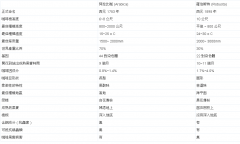
According to the statistics of the International Coffee Organization (ICO), excluding the domestic transactions of each coffee-producing country, about 65% of the coffee in circulation in the world market is Arabica and 35% is robusta. Arabica species are characterized by slender and flat grains. Robusta coffee beans are more round. From their shape, we can easily tell that West Africa is the origin of coffee grown in Liberia.

General knowledge of boutique coffee beans raw beans from Robusta, Java, Indonesia
In the early 1970s, Java cut down Arabica trees introduced by most Dutch and planted Robbosa beans instead. Since then, Java coffee has become greasy, plain and has a strong smell of wheat and tea. Among the few remaining Arabica estates, Djampit is the most famous. These beans are similar to other Indonesian beans, but with obvious sour taste and no texture.

Arabica and Chinese Coffee Robska Flavor Description Processing Method Grinding Scale Introduction
Arabica and Chinese Coffee Robusta Flavor Description Processing Grind Scale Introduction Indian Coffee Royal Grade Robusta is currently produced in small quantities, but has begun to gain the attention of the world's elite coffee industry. Italian coffee expert David Schumann David C. Schomer's famous store in Seattle, USA, Espresso Vivace began to care about style as early as ten years ago

An introduction to the flavor of Ugandan coffee with boutique coffee beans
Uganda is the country of origin of coffee grown in Robusta, but commercial cultivation of Arabica species here did not begin until early 1900. Today, there are still a large number of wild robusta coffee trees in Uganda, which is rare in cities in the world. As a landlocked country, the large coffee cultivation in Uganda is often interplanted, where coffee trees are mixed with food crops and rubber trees.

What is the history of coffee cultivation in Uganda?
Professional coffee knowledge exchange more coffee bean information please follow the coffee workshop (Wechat official account cafe_style) Uganda, I believe that many coffee lovers and baristas, are familiar, but also some strange. It is familiar because Ugandan coffee has recently emerged in international competitions, and several high-quality Ugandan coffees have been introduced in China. And strangers, because of Uganda.

A brief introduction to the treatment method of grinding degree and baking degree of Ugandan boutique coffee beans with unique flavor
Dry aroma (1-5): 3.2 wet aroma (1-5): 3.4 acidity (brightness) (1-10): 8 taste (layering) (1-10): 8.5 taste (alcohol thickness) (1-5): 4 aftertaste (residual) (1-10): 8.1 balance (1-5): 0 basic score (50): 50 total score (maximum 100): 85.2 strength / main attributes: medium strength / high oil content Pristine